
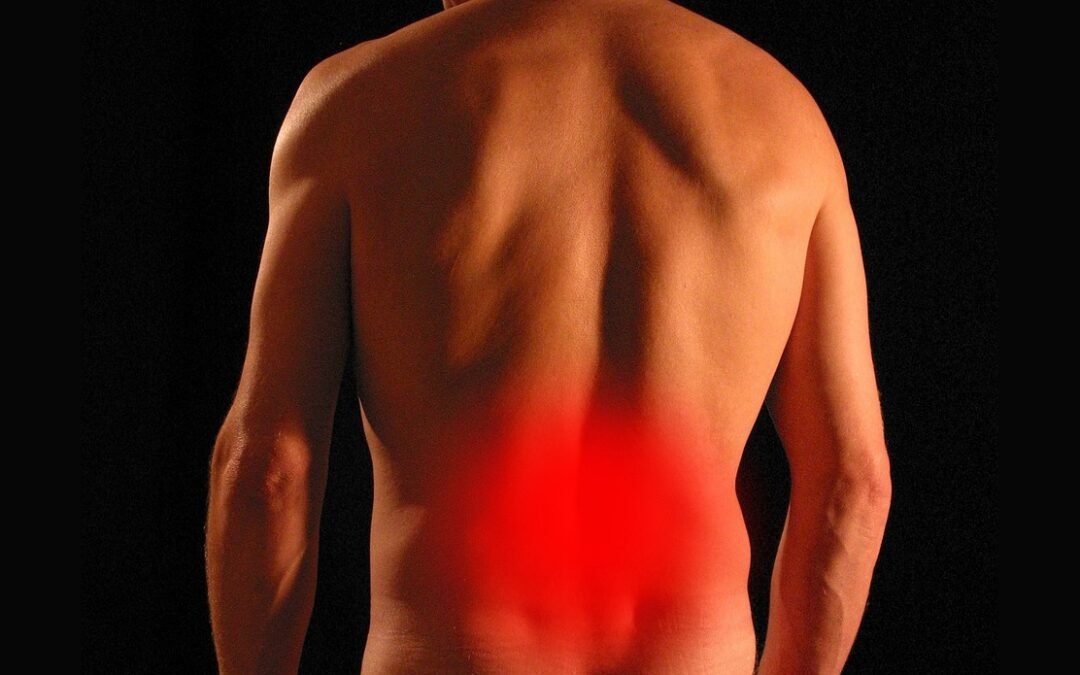
Low back pain: causes and remedies
Low back pain is a commonly experienced ailment that millions of people suffer from around the globe. For many, this ache is termed “non-specific,” because there isn’t a specific injury or medical issue like a fracture, bulging disc or other serious condition causing the problem. Non-specific lower back pain, on the other hand, usually develops due to many things working against the muscles and joints in your lower back. In this post, I will discuss the nature of non-specific lower back pain, potential causes, and other ways you can achieve relief.
Non-Specific Lower Back Pain Explained
Lower back pain not attributable to identifiable pathology is termed non-specific lower back pain. It is often manifested as a soreness or tightness in the lower back that can be intermittent. This back pain is then again sharp (less than a half year), sub intense (between 6 weeks and three months) or constant (over three months).
Common Contributing Factors
Non-specific lower back pain can develop for multiple reasons:
Bad Posture: Sitting at a desk or slumping over for excessive periods of time can lead to the muscles and ligaments of the lower back being stressed over long term.
A Weak Core: The core is essential to stabilizing the spine. Weakness here can cause instability and ultimately stress on the lower back causing it to become painful.
Muscle Imbalances: If some muscle groups are stronger than others, this can generate imbalances that result in asymmetric tension around the spine and subsequently lead to discomfort. In particular, altered pelvic alignment due to issues such as tight hip flexors and weak gluteal muscles are common contributors to lower back pain.
Sedentary Lifestyle: Muscle weakness and muscle stiffness both can lead to lower back pain. Keeping the spine and surrounding muscles healthy requires regular movement and exercise.
Stress: Stress causes many internal symptoms such as muscle tension, especially in the lower back which can make pain worse.
How to Find Relief
The good news is, there are multiple methods of engaging in non-specific lower back pain management and relief, which typically utilize a multi-faceted approach:
Massage Therapy : Massage can prove to be quite useful in relaxing the muscle joints, ensuring better blood circulation into the area. Lower Back Pain Relief Deep tissue massage and myofascial release are effective techniques for herbal pain gummies therapy of the lower back, among other areas. One of my clients, Sarah, came to me following months of chronic lower body pain. Following a few sessions of specific deep tissue massage, paired with some tailored stretches she began to feel tremendous relief. This was the result of Sarah being returned to her normal everyday life without the constant nagging pain she had lived with.
Stretching and Strengthening Exercises: Regular stretching can help improve flexibility and reduce stiffness. It’s also just as important to strengthen the core muscles as a strong core helps stabilise the spine. Beneficial exercises such as bridges, pelvic tilts, and gentle yoga poses Another one of my clients, James, was complaining about lower back pain that stemmed from weak core muscles. James and I created a program that involved performing core strength training type exercises on a daily basis, and within just a few weeks, James was feeling much more stable, he was experiencing almost all of his back pain away!
Postural Awareness: Understanding how to maintain good posture during day-to-day activities can make a significant difference in lowering the stress on the lower back. While they can be unaffected by ergonomics, making adjustments through a supportive chair or standing desk may help. My one experience, Maria never knew how her lower back pain also comes from bad posture given she was working from home a lot. Using a couple of ergonomic tweaks to her workspace and adding some exercises for posture correction, Maria found that she was feeling significantly less discomfort.
Heat Therapy: Placing a heat pack on the lower back can relieve sore muscles and increase circulation which temporarily relieves pain and stiffness.
This includes manual therapy: Osteopathic manipulation can help resolve any mechanical dysfunction impacting the spine and its supporting structures, allowing for improved position and function. For example, one of my clients Tom received osteopathic adjustments and massage would help him. With correction to the mechanical dysfunctions in his spine, Tom was able to experience lasting relief and mobility.
Stress management: Since stress can cause muscle tension, practices of deep breathing also meditation & mindfulness, which help relieve stress, may ultimately reduce back pain as well. Another client of mine, Rachel, was able to relax and practically eliminate the muscle tightness she was having in her lower back with mindful meditation practice.
Signs It May Be Time to Consult a Professional
Although many of the instances don’t involve things which can be critical, you ought to nonetheless get expert assistance in case your ache is severe or has lasted extra than a few days, especially if it’s followed by way of different signs and symptoms together with numbness or weakness. As an osteopath and massage therapist, I see the big picture of why you are getting that pain, I will listen to your complete story which allows me to help improve what is causing you pain as well as getting rid of it quickly in a tailored treatment plan.
Dealing with a lack of knowledge about what is causing your non-specific lower back pain can be incredibly frustrating. But with the understanding of its causes and implementation of prevention measures, relief is attainable. But there’s a solution — massage, osteopathy, lifestyle modifications and many approaches combating your pain and returning to your enjoyments.
If you are experiencing lower back pain and would like to get some assistance discover how to start, contact The OsteoMassage Care. We can create a plan that fits you and supports your healthy, more active life path.